PSA Grading in Australia: Costs, Turnaround Times and Is It Worth It?
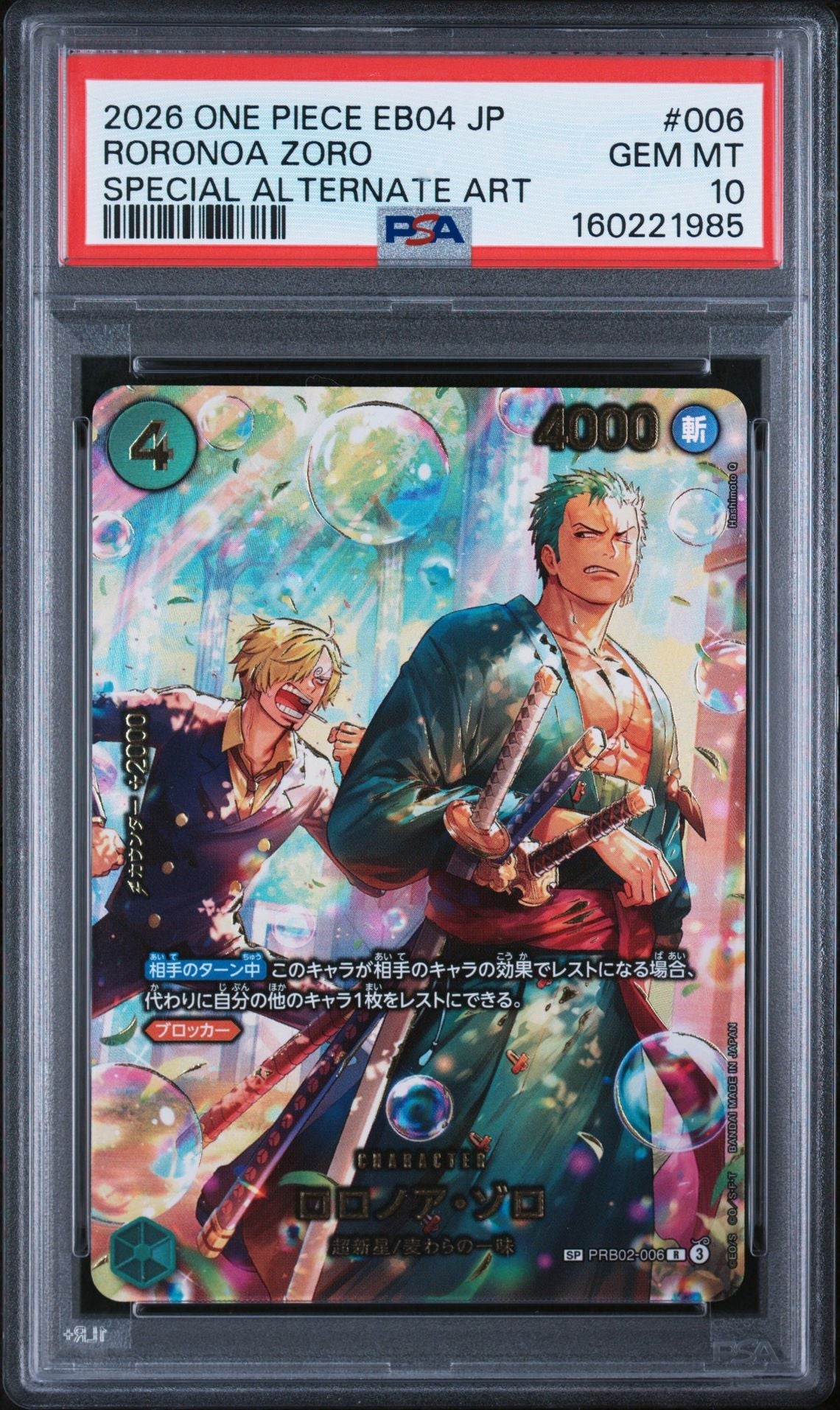
Every serious collector hits the same question eventually: should I get this card graded? For Australian collectors, PSA grading comes with extra wrinkles that overseas guides never cover - international shipping, currency conversion and long waits. And in 2026 there is a bigger wrinkle still: PSA has paused its cheapest tiers entirely. Here is how it actually works from Australia right now, what it costs, and when it is worth doing.
2026 update: PSA has paused its cheap tiers
Before anything else, know this: in June 2026 PSA temporarily suspended all four of its value tiers - Value Bulk, Value, Value Plus and Value Max - after a surge in submissions pushed its backlog past 10 million cards. Until they reopen, the cheapest way into PSA is the Regular tier at USD $79.99 per card, with Express, Super Express and Walk-Through above that.
PSA says the value tiers come back once the backlog drops to around 5 million cards - projected for late 2026 - and it publishes progress on a public backlog tracker. For Australian collectors the practical effect is simple: cheap bulk grading through group submitters is largely on hold, and grading only stacks up right now for cards that justify roughly $120+ AUD per card all-in.
What is PSA grading?
PSA (Professional Sports Authenticator) is the world's largest trading card grading company. You send your card in, PSA's graders authenticate it and score its condition from 1 to 10, and it comes back sealed in a tamper-evident case - a "slab" - with the grade on the label. A PSA 10 (Gem Mint) is the gold standard, and the difference between a raw card and a PSA 10 of the same card can be several multiples in value.
Grading does three things at once: it proves the card is genuine, it locks in the condition permanently, and it makes the card instantly sellable at a market price anyone can look up.
How to get cards PSA graded from Australia
There is no PSA office in Australia, so you have two real options:
1. Submit directly to PSA
You can open an account with PSA in the US (or PSA Japan for Japanese-market submissions) and ship your cards yourself. You control everything, but you pay international shipping and insurance both ways, handle the customs paperwork, and you are personally on the hook if a package goes missing.
2. Use an Australian group submitter
Local middleman services collect cards from many collectors and ship them to PSA in bulk. This is how most Australian collectors grade: per-card pricing is usually cheaper than shipping solo, the paperwork is handled, and cards are insured through the process. The trade-off is you wait for the group's submission window plus PSA's turnaround - and while the value tiers are paused, most group submitters have far fewer affordable options to offer.
What PSA grading costs from Australia
With the value tiers paused, current pricing starts much higher than the old bulk rates. As a rough guide while the pause lasts:
- Regular: USD $79.99 per card - roughly $120+ AUD each once currency and shipping are factored in, with turnaround around 40-50 business days.
- Express and above: USD $149 to $599+ per card for faster turnaround and higher declared values - genuine grail territory.
- When value tiers return: bulk pricing through group submitters historically landed around $30-$60 AUD per card. If your cards are lower value, waiting for the reopening may be the smarter play.
Remember the hidden costs too: shipping and insurance both ways, and the risk of a card coming back a 7 or 8 when you were counting on a 10.
How long does PSA grading take?
Right now, longer than usual. The backlog that triggered the value-tier pause also stretched Regular turnaround to roughly 40-50 business days - and for Australians you add shipping time and the group submitter's schedule on top. If you are grading to sell into a hot market, that lag matters: sets spike and cool faster than a submission turns around.
Is PSA grading worth it?
A simple rule of thumb: grading makes sense when the graded price minus the raw price is comfortably more than the all-in grading cost - with enough margin to survive the card coming back one grade lower than you hoped.
- Usually worth grading right now: vintage and rare cards in genuinely mint condition, low-pop Japanese exclusives, and chase cards where the PSA 10 price clears the higher current fees with room to spare.
- Usually not worth it right now: modern bulk rares, cards with visible whitening or centering issues, and anything where the PSA 10 price is under a few hundred dollars - at $120+ AUD per card, the maths simply does not work until the value tiers reopen.
Why Japanese cards grade so well
Ask anyone who submits regularly: Japanese Pokemon cards come back with better grades on average than their English equivalents. Japanese printing runs tighter centering tolerances, the card stock is more consistent, and factory-fresh Japanese product tends to arrive with fewer edge and surface defects. It is a big part of why collectors chasing PSA 10s open Japanese booster boxes in the first place.
Grade it yourself, or buy the slab?
Here is the maths most collectors eventually do: by the time you have paid grading fees, shipping and insurance, then waited months with no guarantee of a 10, buying a card that is already graded is often cheaper than making one. With the value tiers paused and entry pricing at $120+ AUD per card, that maths tilts harder toward buying graded than it has in years. If you want the slab rather than the gamble, browse our PSA-graded Pokemon singles - every card already authenticated, graded and in hand in Australia, shipped fast and tracked.
Quick FAQ
When will PSA's value tiers come back?
PSA has tied the reopening to cutting its backlog from over 10 million cards to around 5 million, with projections pointing to late 2026. It publishes progress on a public backlog tracker - check it before planning a bulk submission.
Can I get cards graded in Australia without sending them overseas?
Not by PSA - all PSA grading happens at their facilities overseas. Some local companies grade domestically, but PSA slabs carry the strongest resale recognition worldwide.
What grade should I expect?
Be honest about centering, edges, corners and surface under strong light. Most "pack fresh" modern cards come back 8-9; true 10s are rarer than most first-time submitters expect. Japanese cards are your best odds.
Is a PSA 9 worth keeping?
Often yes - for vintage and low-pop cards a 9 can still carry a strong premium over raw. For modern cards the value is usually concentrated in the 10.
Where do the graded prices come from?
Sold listings. Check recent eBay sold prices for the exact card and grade before you submit anything - not asking prices, actual sales.